

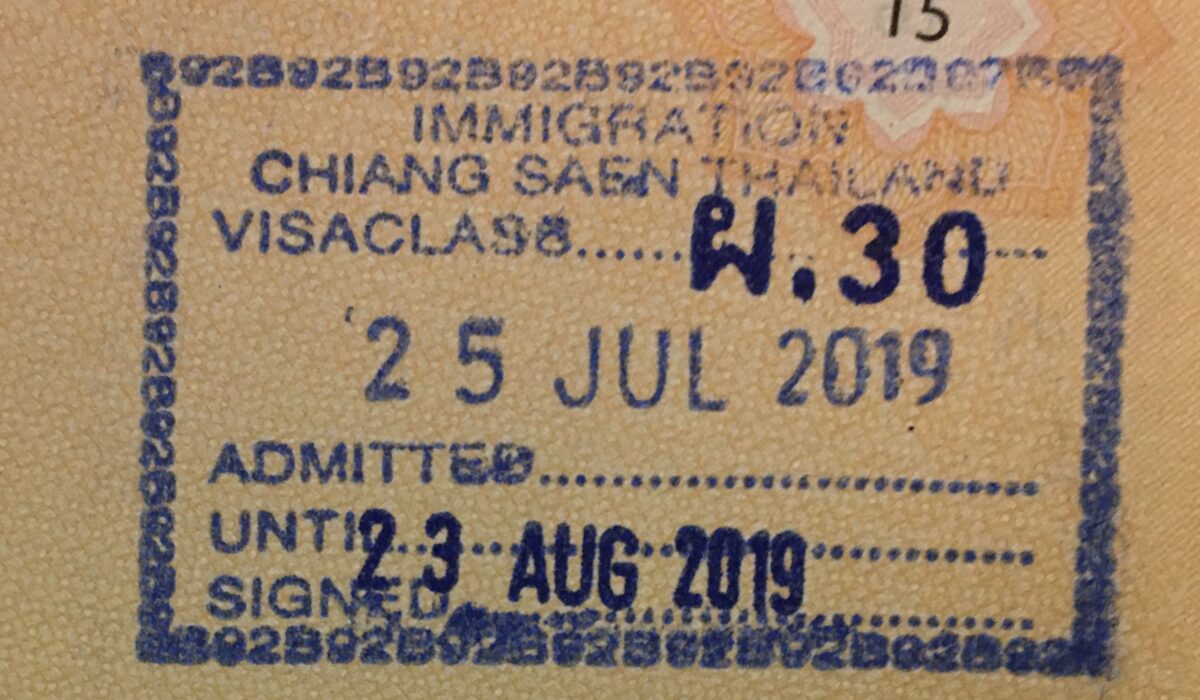
What Is Unlawful Presence?
Unlawful presence is time you spend in the U.S. after your authorized stay ends or without being admitted or paroled, and it can trigger serious bars to returning. Unlawful presence accrues when you remain past your I-94 date, or when you are in the country without a lawful admission. Enough unlawful presence, followed by departure, can lead to a three-year or ten-year bar to reentry, which is why it is one of the most important concepts in immigration.
This guide explains how unlawful presence accrues and its consequences. It connects to our guides on the three- and ten-year bars et immigration inadmissibility.
Concerned about unlawful presence in your case? Atlas Legal can assess the risk and options. Contactez notre équipe pour commencer.
Principaux enseignements
- Unlawful presence is time in the U.S. after your authorized stay ends or without admission.
- It generally starts accruing when your I-94 date passes.
- More than 180 days plus departure can trigger a three-year bar.
- A year or more plus departure can trigger a ten-year bar.
- Some people do not accrue unlawful presence, or accrue it differently.
Contenu de ce guide
- What unlawful presence is
- How it accrues
- The bars it can trigger
- Who does not accrue it
- Avoiding the trap
- Foire aux questions
What Unlawful Presence Is
Unlawful presence is a specific concept: it is time you are present in the U.S. either after your period of authorized stay has ended, or without having been admitted or paroled. It is central to the bars that can keep people out of the country.
It is not the same as simply being out of status in every sense, though the two often overlap. The key is presence in the U.S. beyond authorization or without a lawful entry.
How It Accrues
Unlawful presence generally begins to accrue when your authorized stay ends, such as when your I-94 date passes, or from the time of an entry without inspection. From that point, the days add up.
The amount of unlawful presence matters because the bars are triggered by certain thresholds. Tracking your I-94 date is important, since overstaying it starts the clock on unlawful presence.
The Bars It Can Trigger
The most serious consequence of unlawful presence is the bars to reentry, which are triggered by departure after accruing enough unlawful presence:
| Unlawful presence | Consequence on departure |
|---|---|
| More than 180 days but less than a year | Three-year bar to reentry |
| One year or more | Ten-year bar to reentry |
Crucially, the bars are triggered by leaving the U.S. after accruing the unlawful presence. This is why departing can be dangerous. Our guide on the three- and ten-year bars explains them and possible waivers.
Who Does Not Accrue It
Not everyone accrues unlawful presence, and some accrue it differently. For example, certain minors, some applicants with pending applications, and others may be protected from accruing it in specific circumstances.
The rules on who accrues unlawful presence and when are technical and have exceptions. Because of this, whether and how much unlawful presence you have is a fact-specific question best confirmed carefully.
Unsure whether you are accruing unlawful presence? The rules are technical. Demandez à Atlas Legal to check your situation.
Avoiding the Trap
The main way to avoid the unlawful presence trap is to maintain lawful status and not overstay your authorized period. Track your I-94 date, and if you need more time, seek an extension or change of status before it expires.
If you have already accrued unlawful presence, get advice before leaving the U.S., since departure is what triggers the bars. A waiver may be available in some cases, but planning matters.
Quand faire appel à un avocat spécialisé en droit de l'immigration
Unlawful presence can quietly create serious, long-lasting problems. Legal help is valuable when you have overstayed or entered without inspection, when you are considering leaving the U.S. and worry about the bars, when a waiver might apply, or when you are unsure whether you are accruing unlawful presence. An attorney can assess your situation and the safest path. Outcomes depend on the facts of each case.
Questions fréquemment posées
What is unlawful presence?
Unlawful presence is time you spend in the U.S. after your authorized stay ends, such as after your I-94 date passes, or without having been admitted or paroled. It generally starts accruing at that point. Enough unlawful presence, followed by departure, can trigger a three-year or ten-year bar to reentry, making it one of the most important concepts in immigration.
When does unlawful presence start?
It generally begins when your authorized stay ends, such as when your I-94 date passes, or from the time of an entry without inspection. From that point, the days of unlawful presence add up. Because the bars are triggered by certain amounts, tracking your I-94 date is important, since overstaying it starts the clock on unlawful presence accruing.
What bars does unlawful presence trigger?
Departing the U.S. after more than 180 days but less than a year of unlawful presence can trigger a three-year bar to reentry, and departing after a year or more can trigger a ten-year bar. The bars are triggered by leaving after accruing the unlawful presence, which is why departure can be dangerous. Waivers may be available in some cases.
Why is leaving the U.S. risky with unlawful presence?
Because the three- and ten-year bars are triggered by departure after accruing unlawful presence. If you have accrued enough and then leave, the bar activates, potentially keeping you out for years unless a waiver is granted. This is why someone with unlawful presence should get advice before departing, even for consular processing, since leaving is the event that triggers the bar.
Does everyone accrue unlawful presence?
No. Not everyone accrues unlawful presence, and some accrue it differently. Certain minors, some applicants with pending applications, and others may be protected in specific circumstances. The rules on who accrues it and when are technical and have exceptions. Whether and how much unlawful presence you have is a fact-specific question that should be confirmed carefully rather than assumed.
Is unlawful presence the same as being out of status?
They often overlap but are not identical. Being out of status is a broader concept, while unlawful presence is a specific measure tied to the bars. In some situations, a person can be out of status without accruing unlawful presence for bar purposes. Because the distinction is technical and affects the bars, the exact analysis of your situation matters and is best reviewed carefully.
Can unlawful presence be waived?
In some cases, yes. A waiver of the unlawful presence bar may be available, such as the provisional waiver for certain applicants who show extreme hardship to a qualifying relative. Waivers have specific requirements and are not guaranteed. Whether a waiver applies depends on your situation and the benefit you seek. Because the analysis is technical, get advice on whether a waiver is an option.
How do I avoid accruing unlawful presence?
Maintain lawful status and do not overstay your authorized period. Track your I-94 date, and if you need more time, seek an extension or change of status before it expires. If you have already accrued unlawful presence, get advice before leaving the U.S., since departure triggers the bars. Careful attention to your status and deadlines is the best way to avoid the trap.
Conclusion
Unlawful presence is time in the U.S. after your authorized stay ends or without admission, generally starting when your I-94 date passes. More than 180 days plus departure can trigger a three-year bar, and a year or more a ten-year bar. Leaving is what activates the bars, so get advice first. Each case depends on its own facts.
If unlawful presence is a concern, Atlas Legal Immigration Law can help. Reach us at 1750 E Golf Rd, bureau 214, Schaumburg, IL 60173, appeler (+1) 872 382 2762, ou par e-mail info@theatlaslegal.com. Pour en savoir plus, rendez-vous sur notre page des services.
Examiné par l'équipe éditoriale d'Atlas Legal Immigration Law. Dernière mise à jour : 28 juillet 2026.
Sources
- Services américains de la citoyenneté et de l'immigration, Policy Manual: Unlawful Presence and Bars to Admissibility
- Legal Information Institute, Cornell Law School, 8 U.S.C. 1182, Inadmissible Aliens
- Services américains de la citoyenneté et de l'immigration, Form I-601A, Provisional Unlawful Presence Waiver
Cet article est fourni à titre d'information générale uniquement et ne constitue en aucun cas un conseil juridique. Les lois sur l'immigration, les frais administratifs, les politiques et les délais de traitement sont susceptibles d'évoluer. La lecture de cet article ou la prise de contact avec Atlas Legal n'entraîne pas en soi la création d'une relation avocat-client. L'issue de toute affaire d'immigration dépend des faits et des circonstances propres à chaque cas.