


Puis-je voyager pendant que ma demande d'asile est en cours d'examen ?
Traveling abroad while your asylum case is pending is risky and generally not advisable without advance permission, because leaving can be treated as abandoning your claim. If your asylum case is pending, you should not travel outside the U.S. without first obtaining advance parole, and even then travel to your home country can seriously damage or end your asylum claim. The safest course is to avoid international travel while your case is pending and to get legal advice before making any plans.
This guide explains the risks of travel during a pending asylum case and the role of advance parole. It connects to our guides on the asylum interview et libération conditionnelle anticipée.
Have a pending asylum case and need to travel? Talk to Atlas Legal first. Contactez notre équipe before you make any plans.
Principaux enseignements
- Traveling abroad with a pending asylum case is risky.
- Leaving without advance parole can be treated as abandoning the claim.
- Traveling to your home country can seriously damage your asylum case.
- Advance parole may allow return, but does not remove the risks.
- Getting legal advice before any travel is essential.
Contenu de ce guide
- Why travel is risky
- The role of advance parole
- Traveling to your home country
- Abandoning your claim
- The safest course
- Foire aux questions
Why Travel Is Risky
While your asylum case is pending, leaving the U.S. can create serious problems. Depending on the situation, departing without permission can be treated as abandoning your application, and reentry may be difficult or impossible.
Because asylum is based on a fear of return to your country, traveling, especially back home, can undercut your claim. This is why travel during a pending asylum case must be approached with great caution.
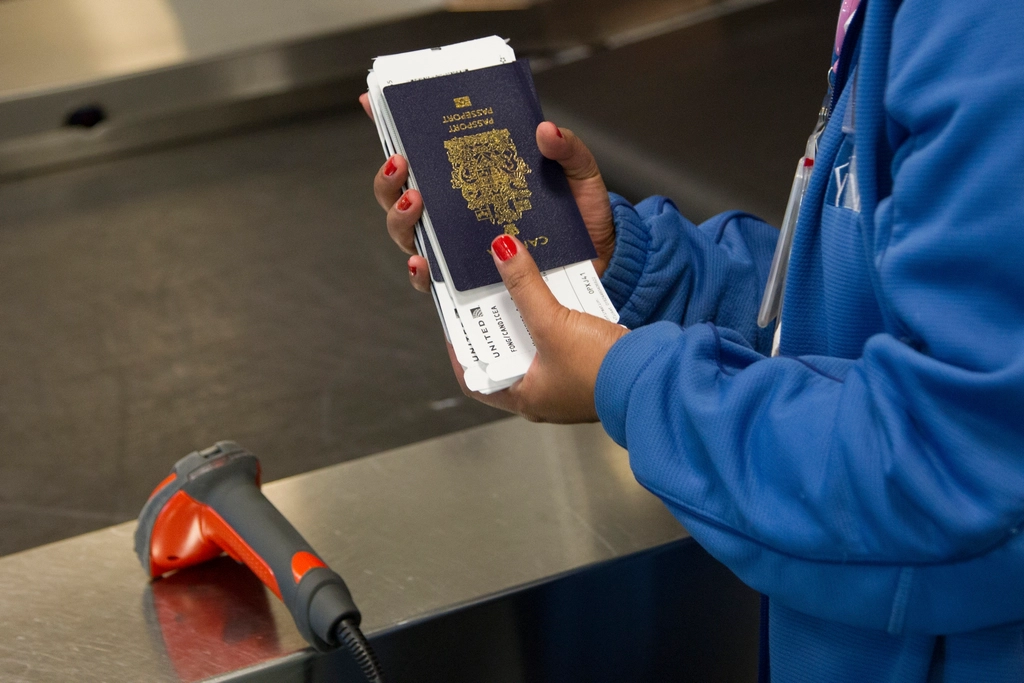
The Role of Advance Parole
Advance parole is permission to travel abroad and return to the U.S. while an application is pending. For asylum applicants, obtaining advance parole before leaving is generally necessary to preserve the ability to reenter.
However, advance parole does not remove all the risks. It allows return in many cases, but travel, particularly to your home country, can still harm the asylum claim itself. Our guide on libération conditionnelle anticipée explains it further.
Traveling to Your Home Country
Returning to the country you fear is the most dangerous kind of travel during a pending asylum case. Asylum is premised on being unable to return safely, so going back can be seen as inconsistent with the fear you claim.
Such travel can seriously damage or even end an asylum case, regardless of advance parole. If you are considering returning home for any reason, get legal advice first, since the consequences can be severe.
Thinking about returning to your home country during asylum? This is high-risk. Demandez à Atlas Legal before you go.
Abandoning Your Claim
One of the biggest dangers is that leaving the U.S. improperly can be treated as abandoning your asylum application. If that happens, you can lose the protection you were seeking and face difficulty reentering.
| Action | Risk |
|---|---|
| Leaving without advance parole | May be treated as abandoning the claim |
| Traveling with advance parole | Return possible, but claim can still be harmed |
| Returning to your home country | Can seriously damage or end the claim |
Because the stakes are so high, understanding the consequences before traveling is essential. A single trip can jeopardize years of effort.
The Safest Course
The safest course while your asylum case is pending is to avoid international travel altogether. If travel feels necessary, do not leave without first getting legal advice and, where appropriate, advance parole.
An attorney can assess your specific situation, the status of your case, and whether any travel is advisable. Given the risks, careful planning and advice are far better than an unexpected loss of your claim.
Quand faire appel à un avocat spécialisé en droit de l'immigration
Travel during a pending asylum case is one of the riskiest decisions an applicant can make. Legal help is valuable when you are considering any travel abroad, when you need advance parole, when a family emergency arises, or when you are unsure how travel affects your claim. An attorney can advise on the risks and the safest approach. Outcomes depend on the facts of each case.
Questions fréquemment posées
Can I travel while my asylum case is pending?
It is risky and generally not advisable without advance permission. Leaving the U.S. without advance parole can be treated as abandoning your asylum claim, and even with advance parole, travel, especially to your home country, can seriously damage or end your case. The safest course is to avoid international travel while your asylum case is pending and to get legal advice before making any plans.
What is advance parole for asylum applicants?
Advance parole is permission to travel abroad and return to the U.S. while an application is pending. For asylum applicants, obtaining advance parole before leaving is generally necessary to preserve the ability to reenter. However, it does not remove all the risks; travel, particularly to your home country, can still harm the asylum claim itself, so advice is important before relying on advance parole to travel.
What happens if I leave without advance parole?
Leaving the U.S. without advance parole while your asylum case is pending can be treated as abandoning your application. If that happens, you can lose the protection you were seeking and face serious difficulty reentering the country. Because the consequences are so severe, you should never leave during a pending asylum case without first getting legal advice and, where appropriate, obtaining advance parole.
Can I return to my home country during my asylum case?
Returning to the country you fear is the most dangerous travel during a pending asylum case. Asylum is premised on being unable to return safely, so going back can be seen as inconsistent with your claimed fear and can seriously damage or end your case, even with advance parole. If you are considering returning home for any reason, get legal advice first, since the consequences can be severe.
Does advance parole guarantee I can reenter?
No. Advance parole generally allows return in many cases, but it is not an absolute guarantee of admission, and it does not protect the asylum claim from being harmed by the travel itself. Admission at the border is a separate determination. Because of these limits, advance parole should not be treated as a green light to travel freely, and legal advice before any trip is important.
Will traveling hurt my asylum claim?
It can, especially travel to your home country, which may be seen as inconsistent with the fear that asylum is based on. Even other international travel can complicate a pending case. Because asylum depends on demonstrating you cannot safely return, any travel abroad carries risk to the claim. This is why avoiding travel during a pending asylum case, or getting advice first, is the safest approach.
What if I have a family emergency abroad?
A family emergency is understandably difficult, but leaving during a pending asylum case still carries serious risk, and returning to your home country is especially dangerous for the claim. Before making any plans, get legal advice to understand the consequences and whether advance parole or another approach is possible. An attorney can help you weigh the emergency against the risk to your case and immigration status.
What is the safest choice during a pending asylum case?
The safest choice is to avoid international travel altogether while your asylum case is pending. If travel feels necessary, do not leave without first getting legal advice and, where appropriate, advance parole. An attorney can assess your case status and whether any travel is advisable. Given how much can be lost, careful planning and advice are far better than risking an unexpected loss of your claim.
Conclusion
Traveling abroad while your asylum case is pending is risky and generally not advisable without advance parole, and returning to your home country can seriously damage or end the claim. Leaving improperly can be treated as abandoning the case. The safest course is to avoid travel and get advice first. Each case depends on its own facts.
If you have a pending asylum case and need to travel, Atlas Legal Immigration Law can advise you. Reach us at 1750 E Golf Rd, bureau 214, Schaumburg, IL 60173, appeler (+1) 872 382 2762, ou par e-mail info@theatlaslegal.com. Pour en savoir plus, rendez-vous sur notre page des services.
Examiné par l'équipe éditoriale d'Atlas Legal Immigration Law. Dernière mise à jour : 28 juillet 2026.
Sources
- Services américains de la citoyenneté et de l'immigration, Asile
- Services américains de la citoyenneté et de l'immigration, Form I-131, Application for Travel Document
- Services américains de la citoyenneté et de l'immigration, Policy Manual: Travel and Advance Parole
Cet article est fourni à titre d'information générale uniquement et ne constitue en aucun cas un conseil juridique. Les lois sur l'immigration, les frais administratifs, les politiques et les délais de traitement sont susceptibles d'évoluer. La lecture de cet article ou la prise de contact avec Atlas Legal n'entraîne pas en soi la création d'une relation avocat-client. L'issue de toute affaire d'immigration dépend des faits et des circonstances propres à chaque cas.