

I-601A Provisional Unlawful Presence Waiver: Eligibility, Hardship Evidence, and Consular Risks
The I-601A provisional unlawful presence waiver lets certain people fix an unlawful presence problem before leaving the U.S. for their immigrant visa interview, but approval hinges on one demanding element: proving extreme hardship. The I-601A provisional unlawful presence waiver is available only to those whose sole inadmissibility issue is unlawful presence, and only if they can show extreme hardship to a qualifying relative, a U.S. citizen or lawful permanent resident spouse or parent. Even after approval, consular risks remain, because the officer abroad can still find other grounds of inadmissibility. In summary, understanding the I-601A Provisional Unlawful Presence Waiver is crucial for applicants.
This guide focuses on the hardship evidence that wins these cases and the consular risks that can undo them. For the full step-by-step process, see our complete I-601A provisional waiver guide. This article complements it with a deeper look at hardship and risk.
This guide provides an essential overview of the I-601A Provisional Unlawful Presence Waiver process, ensuring that applicants are well-informed about the necessary steps to prepare their cases effectively.
Preparing an I-601A and unsure whether your hardship case is strong enough? Atlas Legal can assess your qualifying relative, the evidence, and the consular risks before you file. Contact our team for a candid review.
Key Takeaways
- The I-601A waives only the unlawful presence bar and only for those whose sole issue is unlawful presence.
- You must prove extreme hardship to a qualifying relative: a U.S. citizen or lawful permanent resident spouse or parent.
- Children are not qualifying relatives for the I-601A.
- Extreme hardship means significantly more than the ordinary hardship of family separation, and it must be documented specifically.
- Even after approval, a consular officer can identify other inadmissibility grounds, which can undo the benefit.
What This Guide Covers
Understanding the I-601A Provisional Unlawful Presence Waiver
- What the I-601A does
- Who is eligible
- Qualifying relatives
- Building extreme hardship evidence
- Consular risks
- Common mistakes
- Frequently asked questions
What the I-601A Does
Many people who are otherwise eligible for a green card are stuck because they entered without inspection or accrued unlawful presence, which can trigger a multi-year bar once they leave the U.S. for consular processing. The I-601A provisional waiver lets eligible applicants obtain a waiver of that unlawful presence bar before they depart, so they know the waiver is approved before taking the risk of leaving.
The I-601A Provisional Unlawful Presence Waiver is especially important for individuals facing the challenges of unlawful presence who seek to ensure smooth consular processing.
This provisional approach reduces the time families spend separated and the uncertainty of waiting abroad. It does not, however, waive anything other than unlawful presence, and it does not guarantee the visa. It is a targeted tool for one specific problem, designed to make the consular process less risky for those who qualify.
Who Is Eligible
Eligibility for the I-601A is narrow by design. The waiver is for individuals whose only ground of inadmissibility is unlawful presence. If you also have issues such as fraud or misrepresentation, certain criminal history, or a prior removal order, the I-601A is generally not available, because those grounds are not covered and their presence disqualifies the provisional process.
You must also have a pending immigrant visa case and be able to show extreme hardship to a qualifying relative. Applicants must remain in the United States while the waiver is adjudicated. This combination, sole unlawful-presence inadmissibility, a qualifying relative, and physical presence in the U.S., defines who can use the provisional waiver.
Qualifying Relatives
The qualifying relative for an I-601A is a U.S. citizen or lawful permanent resident spouse or parent. This is a critical and often misunderstood point: the hardship must be to the spouse or parent, not to your children. Even if a child would suffer greatly from separation, that hardship does not, on its own, satisfy the I-601A standard, because children are not qualifying relatives here.
This narrows the strategy considerably. If your only close U.S. relatives are children, you may not have a qualifying relative for the I-601A at all. Where you do have a qualifying spouse or parent, the entire hardship case must center on the hardship to that person, though effects on children can be relevant to the extent they affect the qualifying relative.
Building Extreme Hardship Evidence
Extreme hardship means the qualifying relative would suffer significantly more than the ordinary hardship anyone faces when a family is separated or must relocate. Ordinary sadness and financial strain are not enough by themselves. The case must be built with specific, documented factors that, taken together, rise to the level of extreme.
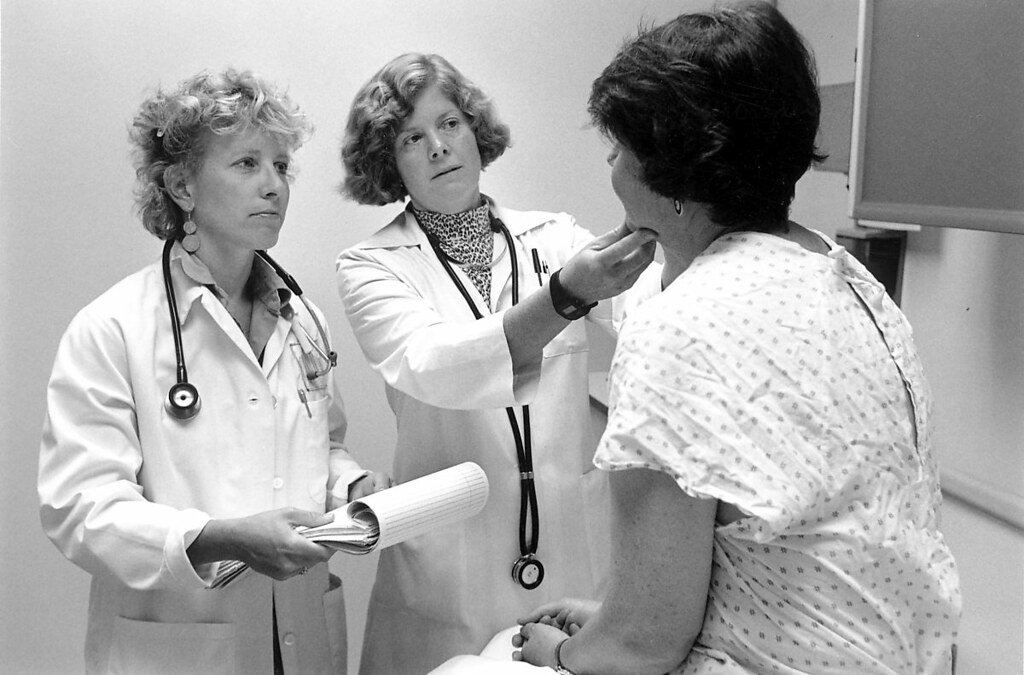
Strong hardship evidence often includes medical conditions supported by treating physician letters, financial records showing the household cannot manage on reduced income, documented country conditions in the foreign spouse’s home country with cited sources, special educational or medical needs of children that affect the qualifying relative, and mental health evaluations by a licensed professional familiar with immigration hardship standards. The strategy is to show hardship in both scenarios: if the qualifying relative relocates abroad, and if they remain in the U.S. without you. Depth and documentation are what separate an approvable case from a weak one.
Consular Risks
Approval of the I-601A is a major step, but it is not the finish line. The waiver becomes effective only after you depart the U.S., attend your immigrant visa interview, and are otherwise found admissible. Crucially, the consular officer retains discretion to identify other grounds of inadmissibility at the interview. If another ground surfaces, the provisional waiver, which covers only unlawful presence, will not protect you.
It’s important to remember that the I-601A Provisional Unlawful Presence Waiver is not just about getting a waiver; it is about ensuring that you are fully prepared for the consular process ahead.
This is why a careful review before filing matters so much. Any hidden issue, such as a prior misrepresentation, a criminal matter, or a prior removal, can emerge at the consular stage and derail the case after you have already left the country. Understanding your complete immigration and personal history, and addressing any risks in advance, is essential to avoid an unpleasant surprise abroad.

Common Mistakes
- Relying on child hardship. Building the case on hardship to children, who are not qualifying relatives.
- Generic hardship claims. Asserting hardship without specific, documented evidence.
- Overlooking other inadmissibility. Filing despite fraud, criminal, or prior-removal issues the I-601A cannot waive.
- Ignoring consular risk. Assuming approval guarantees the visa.
- Weak professional documentation. Missing medical, psychological, or financial records that substantiate hardship.
A Note for Applicants With Ties to Turkey
For applicants whose immigrant visa case will be processed at the U.S. Mission in Turkey, country-conditions evidence about Turkey can be part of the hardship analysis if the qualifying relative would relocate there. Document specific conditions with cited sources rather than general statements. Because the consular interview happens abroad after you depart, resolving any other admissibility concerns before filing is especially important, since discovering an issue after leaving the U.S. is far harder to fix.
When to Work With an Immigration Attorney
The I-601A combines a demanding hardship standard with real consular risk, and a misstep can leave you stuck abroad. Legal review is important to confirm you have a qualifying relative, that unlawful presence is truly your only issue, and that your hardship evidence is strong enough. An attorney can screen your full history for hidden inadmissibility grounds, build the hardship case with the right documentation, and help you weigh the risks before you file or depart. Outcomes depend on the facts of each case.
The right documentation and preparation for the I-601A Provisional Unlawful Presence Waiver can significantly influence the success of your application.
Frequently Asked Questions
What does the I-601A waiver actually waive?
The I-601A waives only the unlawful presence ground of inadmissibility, and only for people whose sole inadmissibility issue is unlawful presence. It does not waive other grounds such as fraud, criminal history, or a prior removal order. It allows eligible applicants to obtain the unlawful presence waiver before departing the U.S. for their immigrant visa interview, reducing time spent separated from family.
Who is a qualifying relative for the I-601A?
A qualifying relative is a U.S. citizen or lawful permanent resident spouse or parent. Children are not qualifying relatives for the I-601A. This means the extreme hardship must be to your spouse or parent, not to your children. If your only close U.S. relatives are children, you may not have a qualifying relative for the provisional waiver at all.
What is extreme hardship?
Extreme hardship means the qualifying relative would suffer significantly more than the ordinary hardship that anyone faces from family separation or relocation. Ordinary emotional and financial difficulty is not enough. The case must be built with specific, documented factors, such as medical conditions, financial impact, country conditions, and professional evaluations, that together rise to the level of extreme, considering both relocation and separation scenarios.
Can I use hardship to my children for the I-601A?
Not on its own. Children are not qualifying relatives for the I-601A, so hardship to a child does not by itself satisfy the standard. The hardship must be to a qualifying U.S. citizen or lawful permanent resident spouse or parent. Effects on children can be relevant only to the extent they contribute to the hardship experienced by that qualifying relative.
Does I-601A approval guarantee my visa?
No. Approval is a significant step, but the waiver only becomes effective after you depart, attend the consular interview, and are otherwise found admissible. The consular officer retains discretion to identify other grounds of inadmissibility. Because the I-601A covers only unlawful presence, another issue discovered at the interview can undo the benefit, so approval does not guarantee visa issuance.
What if I have a criminal record or prior fraud?
If you have inadmissibility issues beyond unlawful presence, such as fraud, certain criminal history, or a prior removal order, the I-601A is generally not available, because it waives only unlawful presence. Those situations may require a different waiver or strategy, and filing an I-601A despite them can lead to serious problems at the consular stage. A full review of your history is essential first.
Can I stay in the U.S. while the I-601A is pending?
Yes. Applicants must remain in the United States while the provisional waiver is adjudicated. That is the point of the provisional process: you obtain the unlawful presence waiver before departing, so you learn the outcome before taking the risk of leaving for the consular interview. You depart only after approval, which reduces the time your family spends separated.
How do I document extreme hardship effectively?
Use specific, professional documentation. Helpful evidence includes treating physician letters for medical conditions, financial records showing the household cannot manage on reduced income, country-conditions reports with cited sources, documentation of children’s special needs as they affect the qualifying relative, and mental health evaluations by a licensed professional familiar with immigration standards. Show hardship in both scenarios, relocation and separation, to build a complete case.
Bottom Line
The I-601A can transform a stuck case into a workable path, but only for the right applicant with the right evidence. It waives unlawful presence alone, demands a qualifying spouse or parent, and rises or falls on a well-documented extreme hardship showing. Approval still leaves consular risk, since another inadmissibility ground can surface abroad. Screen your history thoroughly, build the hardship case with real professional evidence, and understand the risks before you depart. Each case depends on its own facts, and no waiver guarantees the visa.
In conclusion, the I-601A Provisional Unlawful Presence Waiver is a critical tool for many seeking to navigate the complexities of immigration law.
If you are considering an I-601A, Atlas Legal Immigration Law can assess your qualifying relative, hardship evidence, and consular risks. Reach us at 1750 E Golf Rd Ste 214, Schaumburg, IL 60173, call (+1) 872 382 2762, or email info@theatlaslegal.com. Learn more on our immigration services page.
Reviewed by the Atlas Legal Immigration Law editorial team. Last reviewed on July 21, 2026.
Remember, if you’re dealing with issues related to unlawful presence, the I-601A Provisional Unlawful Presence Waiver could be your pathway to obtaining status in the U.S.
Sources
- U.S. Citizenship and Immigration Services, Form I-601A, Application for Provisional Unlawful Presence Waiver
- U.S. Citizenship and Immigration Services, Policy Manual, Extreme Hardship
- Legal Information Institute, 8 U.S.C. 1182(a)(9)(B), Unlawful Presence Inadmissibility
This article is provided for general informational purposes only and does not constitute legal advice. Immigration laws, government fees, policies, and processing times may change. Reading this article or contacting Atlas Legal does not by itself create an attorney-client relationship. The outcome of any immigration matter depends on its individual facts and circumstances.