
What If My Passport Expires With a Valid U.S. Visa?
If your passport expires while your U.S. visa is still valid, the visa remains usable; you simply travel with both your old passport containing the visa and your new passport. A passport expiring with a valid U.S. visa does not cancel the visa. You do not need to transfer the visa to your new passport. Instead, you carry both passports when you travel, and officers accept the valid visa in the old, expired passport alongside your new, valid one.
This guide explains why the visa stays valid and how to travel with two passports. It connects to our guides on entering the U.S. with a visa expiring soon et visa expiration vs the I-94.
Passport expiring but your U.S. visa still valid? Atlas Legal can confirm how to travel. Contact our team to get started.
Principaux enseignements
- A visa remains valid even if the passport it is in expires.
- You do not need to transfer the visa to a new passport.
- You travel with both the old passport (with the visa) and the new one.
- The names and details on both passports should match.
- The visa must still be within its own validity to be used.
Contenu de ce guide
- Why the visa stays valid
- No need to transfer the visa
- Traveling with both passports
- Matching details
- The visa’s own validity
- Foire aux questions
Why the Visa Stays Valid
A U.S. visa is tied to you, not solely to the physical passport. So when the passport that holds the visa expires, the visa itself does not become invalid, as long as the visa is still within its own validity period.
This means an expired passport does not force you to get a new visa. The visa continues to be usable, and you can still travel to the U.S. on it, following the two-passport approach.
No Need to Transfer the Visa
You do not need to move or transfer the visa to your new passport. There is no process to physically transfer a visa. The visa stays in the old passport, and that is perfectly acceptable.
Trying to get the visa reissued in a new passport is unnecessary unless the visa itself has expired or there is another reason to reapply. The valid visa in the old passport is enough.
Traveling With Both Passports
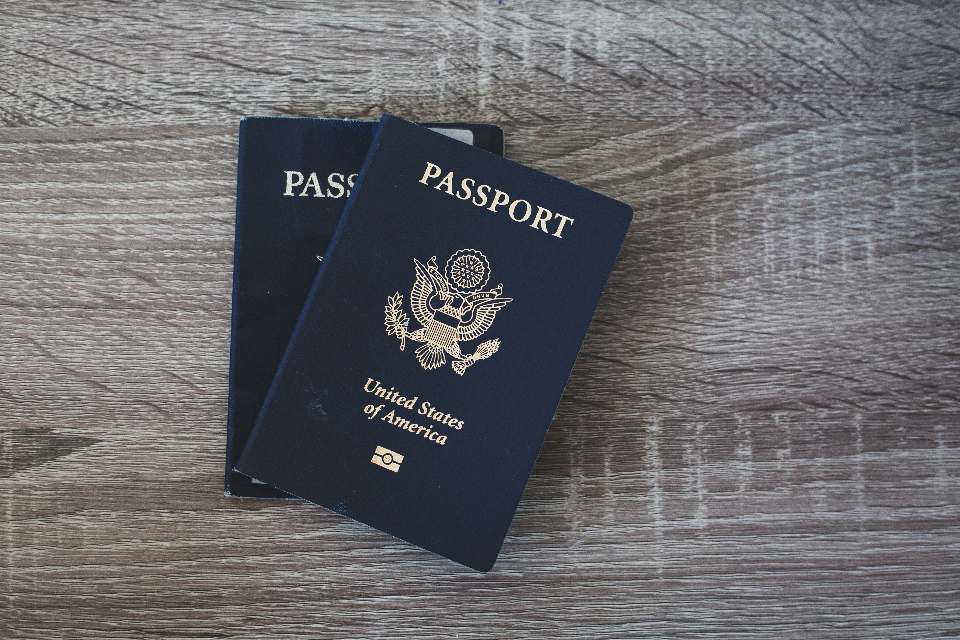
When you travel, you carry both passports: the old one containing the valid visa and the new, valid passport. You present them together to airlines and border officers.
| Document | Role |
|---|---|
| Old passport | Contains the still-valid U.S. visa |
| New passport | Your current valid travel document |
| Both together | Presented to travel and enter the U.S. |
This two-passport method is standard and widely accepted. Keep both passports safe and together when you travel.
Matching Details
Your details on both passports should match, especially your name and biographic information. If your name or other details changed between passports, that can create questions, and you may need to address it.
When the old and new passports clearly belong to the same person, presenting both is smooth. Significant discrepancies, though, could require a new visa or additional documentation.
Name changed between your old and new passport? That can complicate travel. Ask Atlas Legal to check.
The Visa’s Own Validity
The key condition is that the visa must still be within its own validity. An expired passport does not end the visa, but an expired visa is a different matter and would require reapplying.
So confirm the visa itself has not expired. If the visa is still valid, the expired passport is not a problem; you travel with both. If the visa has expired, you would need a new one regardless of the passport.
Quand faire appel à un avocat spécialisé en droit de l'immigration
This situation is usually simple, but some cases need care. Legal help is valuable when your name or details changed between passports, when you are unsure whether the visa is still valid, when you have travel coming up and want to confirm the approach, or when an officer raised a concern. An attorney can confirm how to travel. Outcomes depend on the facts of each case.
Questions fréquemment posées
What happens if my passport expires with a valid U.S. visa?
The visa remains valid and usable. You do not need to transfer it to a new passport. Instead, you travel with both the old passport containing the visa and your new, valid passport, presenting them together. Officers accept the valid visa in the expired passport alongside the new one. The only condition is that the visa itself must still be within its own validity period.
Do I need to transfer my visa to a new passport?
No. There is no process to physically transfer a U.S. visa, and you do not need to. The visa stays in the old passport, which is acceptable. You simply carry both the old passport with the visa and your new passport when you travel. Getting the visa reissued is unnecessary unless the visa has expired or there is another reason to reapply.
Can I travel with two passports?
Yes. Traveling with two passports, the old one holding the valid visa and the new valid one, is the standard approach and widely accepted. You present them together to airlines and border officers. Keep both safe and together when you travel. This two-passport method lets you use a valid visa even though the passport it is in has expired.
Does an expired passport cancel my visa?
No. A U.S. visa is tied to you, not solely to the physical passport, so an expired passport does not cancel the visa, as long as the visa is still within its own validity. You continue to use the visa by traveling with both passports. An expired passport is not a reason to get a new visa; only an expired visa would require reapplying.
What if my name changed between passports?
If your name or other details changed between the old and new passports, that can raise questions, and you may need to address it, possibly with documentation of the change or a new visa. When the two passports clearly belong to the same person with matching details, presenting both is smooth. Significant discrepancies could complicate travel, so confirm how to handle a name change before traveling.
Does the visa still need to be valid?
Yes. The key condition is that the visa itself must still be within its own validity period. An expired passport does not end the visa, but an expired visa is different and would require reapplying. So confirm the visa has not expired. If it is still valid, the expired passport is not a problem; if the visa has expired, you need a new one regardless.
Will an airline let me board with a visa in an expired passport?
Generally yes, if you present both the expired passport containing the valid visa and your new valid passport. Airlines and border officers accept this two-passport approach. Carry both together so the airline can see the valid visa and your current passport. If you present only one, it can cause confusion, so always travel with both passports in this situation.
Should I get a new visa anyway?
Not necessarily. If the visa is still valid, there is no need to get a new one just because the passport expired; the two-passport method works. You would only reapply if the visa itself has expired, your details changed significantly, or there is another reason. Getting a new visa unnecessarily adds cost and time, so the valid visa in the old passport is usually sufficient.
Conclusion
If your passport expires with a valid U.S. visa, the visa stays valid; you do not transfer it, and you travel with both the old passport containing the visa and your new one. The details should match, and the visa must still be within its own validity. It is a standard, accepted approach. Each case depends on its own facts.
If you have questions about traveling with two passports, Atlas Legal Immigration Law can help. Reach us at 1750 E Golf Rd, bureau 214, Schaumburg, IL 60173, appeler (+1) 872 382 2762, ou par e-mail info@theatlaslegal.com. Pour en savoir plus, rendez-vous sur notre services page.
Reviewed by the Atlas Legal Immigration Law editorial team. Last reviewed on July 28, 2026.
Sources
- Département d'État américain, U.S. Visas FAQ
- U.S. Customs and Border Protection, International Visitors
- Département d'État américain, U.S. Visas
Cet article est fourni à titre d'information générale uniquement et ne constitue en aucun cas un conseil juridique. Les lois sur l'immigration, les frais administratifs, les politiques et les délais de traitement sont susceptibles d'évoluer. La lecture de cet article ou la prise de contact avec Atlas Legal n'entraîne pas en soi la création d'une relation avocat-client. L'issue de toute affaire d'immigration dépend des faits et des circonstances propres à chaque cas.