


Can a Green Card Holder Sponsor a Fiancé?
No, a green card holder cannot sponsor a fiancé, because the K-1 fiancé visa is only available to U.S. citizens. A green card holder sponsoring a fiancé is not possible: the fiancé visa route is limited to citizens. A permanent resident who wants to bring a partner must marry first and then sponsor the spouse in a preference category, or naturalize to become a citizen, which unlocks the fiancé option and the faster spousal route.
This guide explains why, and the options green card holders do have. It connects to our guides on sponsoring a partner und sponsoring a spouse.
Are you a green card holder engaged to someone abroad? Atlas Legal can map your realistic options. Kontaktieren Sie unser Team Um loszulegen.
Wichtigste Erkenntnisse
- The K-1 fiancé visa is only for U.S. citizens, not green card holders.
- A permanent resident must marry first to sponsor a partner.
- A green card holder’s spouse falls in a preference category with a wait.
- Naturalizing unlocks the fiancé visa and the immediate relative spousal route.
- Marrying abroad or in the U.S. affects the process.
Inhalt dieses Leitfadens
- Why green card holders cannot use the K-1
- Marrying first
- The spousal preference category
- Naturalizing to expand options
- Choosing a path
- Häufig gestellte Fragen
Why Green Card Holders Cannot Use the K-1
The K-1 fiancé visa is designed specifically for U.S. citizens to bring a fiancé to marry in the U.S. The law limits it to citizens, so a lawful permanent resident cannot file a fiancé petition.
This is a firm rule. No matter how genuine the engagement, a green card holder does not have access to the fiancé visa and must use a different route to bring a partner.
Marrying First
Since the fiancé visa is unavailable, a green card holder’s path is to marry first and then sponsor the spouse. You can marry abroad or, if the partner is lawfully in the U.S., marry here, and then file the spousal petition.
Once married, you file Form I-130 for your spouse. The marriage must be genuine, and you will document the relationship, as our guide on sponsoring a spouse explains.
The Spousal Preference Category
A green card holder’s spouse falls into the F2A preference category, which unlike an immediate relative can involve a wait for a visa to become available.
| Sponsor | Fiancé visa? | Spouse category |
|---|---|---|
| U.S. citizen | Yes, K-1 available | Immediate relative, no wait |
| Green card holder | Nein | F2A preference, may involve a wait |
The wait in F2A depends on visa availability, which can change over time. This is one reason some permanent residents consider naturalizing to speed up bringing a spouse.
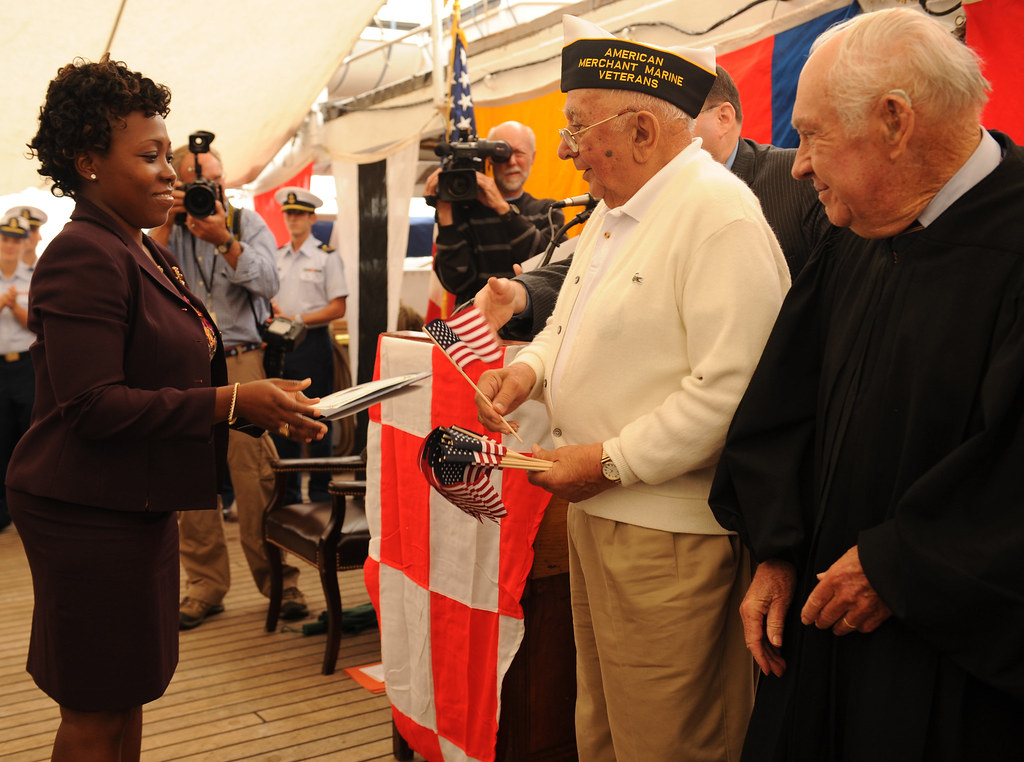
Naturalizing to Expand Options
Becoming a U.S. citizen changes everything for bringing a partner. As a citizen, you could petition a fiancé for a K-1, and your spouse would be an immediate relative with no visa wait.
If you are close to eligibility for naturalization, it may be worth considering before or alongside bringing a partner, since citizenship unlocks faster and broader options. The timing depends on your situation.
Wondering whether to marry now or naturalize first? A review can compare the timelines. Ask Atlas Legal to help you decide.
Choosing a Path
Your best path depends on timing and where your partner is. If you want to bring your partner soon and you are already a permanent resident, marrying and filing the spousal petition is the route, accepting the F2A wait.
If you are close to citizenship, naturalizing first can make the process faster and open the fiancé option. Weigh the F2A wait against your naturalization timeline to decide.
Wann sollte man einen Anwalt für Einwanderungsrecht hinzuziehen?
Green card holders bringing a partner face timing choices that matter. Legal help is valuable when you are deciding whether to marry now or naturalize first, when your partner is abroad and you want the fastest route, when you need to document a genuine marriage, or when your case has complications. An attorney can compare the options and prepare the case. Outcomes depend on the facts of each case.
Häufig gestellte Fragen
Can a green card holder sponsor a fiancé?
No. The K-1 fiancé visa is only available to U.S. citizens, so a green card holder cannot file a fiancé petition. To bring a partner, a permanent resident must marry first and then sponsor the spouse in the F2A preference category, or naturalize to become a citizen, which unlocks the fiancé visa and the faster immediate relative spousal route. The fiancé path requires citizenship.
How can a green card holder bring a partner to the U.S.?
By marrying first and then sponsoring the spouse. You can marry abroad or, if the partner is lawfully in the U.S., marry here, then file Form I-130 for your spouse in the F2A preference category. Alternatively, naturalizing to become a citizen opens the fiancé visa and makes your spouse an immediate relative with no visa wait. There is no fiancé route for permanent residents.
How long does it take for a green card holder to sponsor a spouse?
A green card holder’s spouse is in the F2A preference category, which can involve a wait for a visa to become available, depending on visa availability at the time. This differs from a U.S. citizen’s spouse, who is an immediate relative with no numerical wait. Because F2A timing changes, some permanent residents consider naturalizing to bring a spouse faster.
Should I naturalize before bringing my partner?
It can help. As a citizen, you could petition a fiancé for a K-1, and your spouse would be an immediate relative with no visa wait, which is faster than the F2A route for permanent residents. If you are close to eligibility for naturalization, it may be worth considering first. Weigh your naturalization timeline against the F2A wait to decide.
Can a green card holder marry abroad and then sponsor the spouse?
Yes. A permanent resident can marry abroad and then file Form I-130 to sponsor the spouse in the F2A category. The spouse would go through consular processing once a visa is available. The marriage must be genuine, and you will document the relationship. This is a common path, since the fiancé visa is not available to green card holders.
Was ist die Kategorie F2A?
F2A is the family preference category for the spouse and minor unmarried children of a lawful permanent resident. Unlike immediate relatives of citizens, F2A can involve a wait for a visa to become available, based on the Visa Bulletin. A green card holder’s spouse falls into F2A, which is why the process can take longer than for a citizen’s spouse.
Can my partner come to the U.S. while we wait?
Being in the F2A category does not by itself give your partner a way to come sooner. A partner might visit on a visitor visa if they genuinely intend a temporary trip, but not with a hidden plan to stay. If your spouse is abroad awaiting an F2A visa, they generally wait for it to become available. Naturalizing would remove the wait by making them an immediate relative.
Is the rule different for same-sex couples?
No. The same rules apply. A green card holder cannot sponsor a fiancé of any gender, and would marry first to sponsor a same-sex spouse in F2A, or naturalize to use the fiancé visa and immediate relative route. Immigration law treats same-sex and opposite-sex couples equally, so the fiancé limitation to citizens and the F2A path apply the same way.
Fazit
A green card holder cannot sponsor a fiancé, since the K-1 is only for U.S. citizens. The path is to marry first and sponsor the spouse in the F2A category, which may involve a wait, or to naturalize, which unlocks the fiancé visa and the no-wait immediate relative route. Weigh the F2A wait against your citizenship timeline. Each case depends on its own facts.
If you are a permanent resident bringing a partner, Atlas Legal Immigration Law can help. Reach us at 1750 E Golf Rd, Büro 214, Schaumburg, IL 60173, anrufen (+1) 872 382 2762, oder per E-Mail info@theatlaslegal.com. Erfahren Sie mehr auf unserer Serviceseite.
Reviewed by the Atlas Legal Immigration Law editorial team. Last reviewed on July 28, 2026.
Quellen
- US-Einwanderungs- und Staatsbürgerschaftsbehörde, Fiancé(e) Visas
- US-Einwanderungs- und Staatsbürgerschaftsbehörde, Family of Green Card Holders
- US-Außenministerium, The Visa Bulletin
Dieser Artikel dient ausschließlich allgemeinen Informationszwecken und stellt keine Rechtsberatung dar. Einwanderungsgesetze, behördliche Gebühren, Richtlinien und Bearbeitungszeiten können sich ändern. Das Lesen dieses Artikels oder die Kontaktaufnahme mit Atlas Legal begründet für sich genommen noch kein Mandatsverhältnis. Der Ausgang einer Einwanderungsangelegenheit hängt von den jeweiligen individuellen Fakten und Umständen ab.