


Can a Green Card Holder Sponsor a Spouse? The F2A Category Explained
Ja, ein Inhaber einer Green Card kann seinen Ehepartner für eine Green Card vorschlagen, doch der Weg dorthin unterscheidet sich von dem eines US-Staatsbürgers. Kann ein Inhaber einer Green Card seinen Ehepartner sponsern? wird über die zweite Präferenzkategorie für Familienangehörige, bekannt als F2A, abgewickelt. Ein Daueraufenthaltsberechtigter reicht ein I-130-Antrag für seinen Ehepartner ein, doch da für F2A jährliche Kontingente gelten, kann es je nach Visa-Bulletin zu Wartezeiten kommen. Wenn der Antragsteller während des Verfahrens die US-Staatsbürgerschaft erlangt, wird der Fall in das schnellere Verfahren für unmittelbare Familienangehörige hochgestuft.
In diesem Leitfaden werden die Kategorie F2A, die Warteliste und die Auswirkungen einer Einbürgerung erläutert. Er ergänzt unseren umfassenderen Leitfaden zum Thema So beantragen Sie eine Aufenthaltsgenehmigung für Ihren Ehepartner.
Sind Sie dauerhaft ansässig und möchten Ihren Ehepartner in die USA holen? Atlas Legal informiert Sie über den zeitlichen Ablauf, die F2A-Kategorie und darüber, wie eine Einbürgerung den Prozess beschleunigen könnte. Kontaktieren Sie unser Team um Ihren Fall zu planen.
Wichtigste Erkenntnisse
- Ein Inhaber einer dauerhaften Aufenthaltsgenehmigung kann seinen Ehepartner im Rahmen der Kategorie „Familienzusammenführung – zweite Präferenz (F2A)“ als Familienangehörigen antragen.
- Im Gegensatz zum Ehepartner eines US-Bürgers kann es sein, dass ein Ehepartner mit F2A-Status je nach Verfügbarkeit von Visa eine Wartezeit in Kauf nehmen muss.
- Das Verfahren beginnt mit dem Formular I-130 und umfasst die eidesstattliche Erklärung zur finanziellen Unterstützung sowie den Nachweis einer echten Ehe.
- Wenn der Antragsteller die Staatsbürgerschaft erhält, kann der Fall in die Kategorie der unmittelbaren Angehörigen hochgestuft werden, ohne dass eine Wartezeit anfällt.
- Es ist wichtig, das Visa-Bulletin zu überprüfen, um den Zeitplan für die F2A-Kategorie zu verstehen.
Inhalt dieses Leitfadens
- Kann ein Inhaber einer Daueraufenthaltsgenehmigung seinen Ehepartner als Familienangehörigen nachziehen?
- Die Kategorie F2A und die Warteliste
- Der Sponsoring-Prozess
- Aufwertung durch Einbürgerung
- Das Visa-Bulletin lesen
- Häufig gestellte Fragen
Kann ein Inhaber einer Daueraufenthaltsgenehmigung seinen Ehepartner sponsern?
Ja. Personen mit rechtmäßigem Daueraufenthaltsstatus können einen Antrag stellen, damit ihr Ehepartner ebenfalls einen Daueraufenthaltsstatus erhält. Dazu verwenden sie dasselbe Formular (I-130), das auch US-Staatsbürger nutzen. Der Unterschied liegt in der Kategorie und dem zeitlichen Ablauf. Der Ehepartner eines Staatsbürgers gilt als unmittelbarer Verwandter, für den keine jährliche Obergrenze gilt, während der Ehepartner eines Personen mit dauerhaftem Aufenthaltsrecht unter die zweite Präferenzkategorie für Familienangehörige fällt, für die zahlenmäßige Beschränkungen gelten.
Das bedeutet, dass die Möglichkeit zur Familienzusammenführung klar ist, die Wartezeit jedoch unterschiedlich ausfallen kann. Viele Personen mit Daueraufenthaltsgenehmigung sind überrascht, dass ihr Ehepartner möglicherweise eine Wartezeit in Kauf nehmen muss, während dies für den Ehepartner eines Staatsbürgers nicht der Fall wäre. Wenn Sie dies von Anfang an wissen, können Sie realistischer planen und abwägen, ob eine Einbürgerung Ihre Möglichkeiten verändern könnte.

Die Kategorie F2A und die Warteliste
Die zweite Präferenzkategorie für Familienangehörige, F2A, umfasst Ehepartner und unverheiratete minderjährige Kinder von Personen mit rechtmäßigem Daueraufenthaltsstatus. Da der Kongress die Anzahl der jährlich in den Präferenzkategorien verfügbaren Visa begrenzt, kann es bei F2A zu einer Warteliste kommen. Ob eine nennenswerte Wartezeit besteht und wie lange diese dauert, hängt vom Visa-Bulletin ab und kann sich im Laufe der Zeit sowie je nach Land ändern.
Manchmal ist F2A aktuell oder fast aktuell, was bedeutet, dass kaum oder gar keine Wartezeit besteht, während zu anderen Zeiten eine Warteliste besteht. Diese Schwankungen sind der Grund, warum es wichtig ist, das aktuelle Visa-Bulletin zu überprüfen. Die Warteliste – sofern sie besteht – ist der wichtigste praktische Unterschied zwischen einem Daueraufenthaltsberechtigten und einem Staatsbürger, der seinen Ehepartner sponsert.

Der Sponsoring-Prozess
Das Verfahren entspricht dem anderer Familienfälle. Sie reichen das Formular I-130 ein, um die Ehe nachzuweisen, und sobald ein Visum unter der Kategorie F2A verfügbar ist, beantragt Ihr Ehepartner die Green Card entweder durch Statusänderung, sofern er sich in den USA befindet und die Voraussetzungen erfüllt, oder im Rahmen eines konsularischen Verfahrens im Ausland. Außerdem legen Sie die eidesstattliche Erklärung zur Unterhaltszusage sowie Nachweise vor, dass es sich um eine echte Ehe handelt.
Der entscheidende Unterschied bei der Terminplanung liegt in der Verfügbarkeit von Visa. Selbst nach der Genehmigung des I-130-Antrags müssen die letzten Schritte in der Regel so lange warten, bis die F2A-Kategorie für Ihr Prioritätsdatum aktuell ist. Wenn Sie Ihre Finanzunterlagen und den Nachweis Ihrer Ehe im Voraus vorbereiten, sind Sie bereit, die nächsten Schritte einzuleiten, sobald ein Visum verfügbar ist. Unser Leitfaden zum Thema Checkliste für Heiratsnachweise trägt zum Beziehungsnachweis bei.
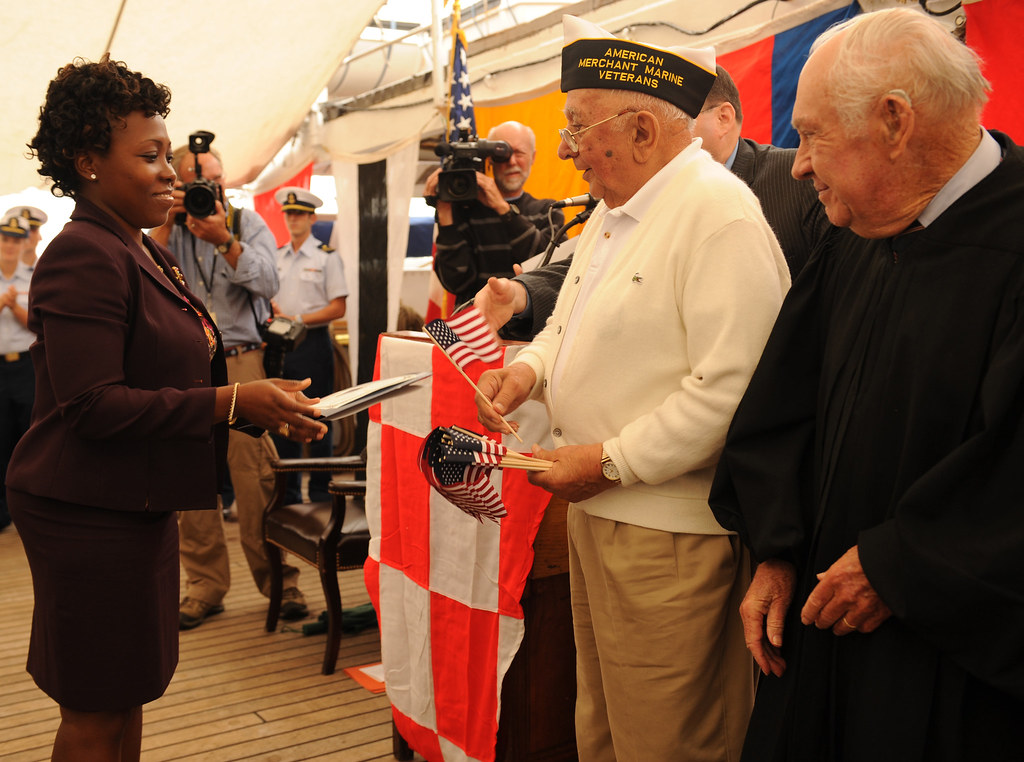
Aufwertung durch Einbürgerung
Eine der wichtigsten Strategien für Personen mit Daueraufenthaltsgenehmigung ist die Einbürgerung. Wenn Sie die US-Staatsbürgerschaft erwerben, während das Verfahren Ihres Ehepartners noch anhängig ist, wechselt Ihr Ehepartner in der Regel von der Präferenzkategorie F2A in die Kategorie der unmittelbaren Familienangehörigen, für die es keine jährliche Obergrenze und keine Warteliste gibt. Dies kann das Verfahren erheblich beschleunigen.
Für Personen mit Daueraufenthaltsgenehmigung, die die Voraussetzungen für eine Einbürgerung erfüllen, bietet dies eine echte Chance, die Wartezeit ihres Ehepartners zu verkürzen. Wenn Sie kurz davor stehen, die Voraussetzungen für die Staatsbürgerschaft zu erfüllen, lohnt es sich zu überlegen, inwiefern eine Einbürgerung den Zeitplan für die Green Card Ihres Ehepartners positiv beeinflussen könnte. Die Abstimmung beider Verfahren kann einen erheblichen Unterschied bewirken.
Das Visa-Bulletin lesen
Da es bei der F2A-Kategorie zu Wartezeiten kommen kann, ist das Visa-Bulletin von zentraler Bedeutung für die Einschätzung Ihres Zeitplans. Das vom Außenministerium monatlich veröffentlichte Bulletin gibt Auskunft darüber, welche Prioritätsdaten für die einzelnen Kategorien und Länder aktuell sind. Ihr Prioritätsdatum, das bei Einreichung des I-130-Antrags festgelegt wird, bestimmt Ihren Platz in der F2A-Warteliste.
Wenn Sie die Bekanntmachung verfolgen, erfahren Sie, wann Ihr Ehepartner die letzten Schritte zur Erlangung der Green Card in Angriff nehmen kann. Da sich die Termine vorverlegen oder manchmal auch zurückverschieben können, ist eine regelmäßige Überprüfung wichtig. Unser Leitfaden zur Visa-Bulletin erklärt, wie man es liest und was die Daten für Ihren Fall bedeuten.
Wann sollte man einen Anwalt für Einwanderungsrecht hinzuziehen?
Die Beantragung einer Daueraufenthaltsgenehmigung für einen Ehepartner unterliegt bestimmten Kategorien und Fristen, die bei einem Antrag eines Staatsbürgers nicht gelten. Eine rechtliche Prüfung ist hilfreich, wenn Sie die Wartezeit für die F2A-Kategorie besser verstehen möchten, wenn Sie abwägen, ob Sie sich einbürgern lassen sollten, um das Verfahren zu beschleunigen, oder wenn Sie sich zwischen der Anpassung des Aufenthaltsstatus und dem konsularischen Verfahren entscheiden müssen, sobald ein Visum verfügbar ist. Ein Anwalt kann den Antrag vorbereiten, das Visa-Bulletin verfolgen und etwaige Statusänderungen koordinieren. Die Ergebnisse hängen von den jeweiligen Umständen des Einzelfalls ab.
Häufig gestellte Fragen
Kann ein Inhaber einer Green Card seinen Ehepartner sponsern?
Ja. Ein rechtmäßiger Daueraufenthaltsberechtigter kann seinen Ehepartner im Rahmen der zweiten Familienkategorie (F2A) für eine Green Card sponsern, beginnend mit dem Formular I-130. Im Gegensatz zum Ehepartner eines US-Bürgers, der als unmittelbarer Verwandter gilt und keine Wartezeit hat, kann für einen F2A-Ehepartner je nach Verfügbarkeit von Visa eine Wartezeit anfallen. Wenn sich der Antragsteller einbürgern lässt, kann der Fall in das schnellere Verfahren für unmittelbare Verwandte hochgestuft werden.
Was ist die Kategorie F2A?
F2A ist die zweite Präferenzkategorie im Familienbereich, die Ehepartner und unverheiratete minderjährige Kinder von Personen mit rechtmäßigem Daueraufenthaltsstatus umfasst. Da für die Präferenzkategorien jährliche Visumkontingente gelten, kann es bei F2A zu Wartezeiten kommen, auch wenn die Kategorie zeitweise aktuell oder fast aktuell war. Ihr Prioritätsdatum, das bei Einreichung des I-130-Antrags festgelegt wird, bestimmt Ihren Platz in der Warteliste, und das Visa-Bulletin gibt Auskunft über die aktuelle Wartezeit.
Wie lange dauert es, bis ein Personen mit Daueraufenthaltsgenehmigung seinen Ehepartner nachholen kann?
Das hängt vom F2A-Visa-Bulletin ab, das sich im Laufe der Zeit und je nach Land ändert, sowie von den Bearbeitungszeiten für den Antrag und die Green-Card-Phase. Die F2A-Kategorie war manchmal ohne nennenswerte Wartezeit aktuell, zu anderen Zeiten gab es jedoch eine Warteliste. Da für den Ehepartner eines US-Bürgers keine Wartezeit gilt, kann eine Einbürgerung den Zeitaufwand verkürzen. Informieren Sie sich im aktuellen Visa-Bulletin über die voraussichtlichen Wartezeiten.
Muss mein Ehepartner auf ein Visum warten?
Möglicherweise. Da für die Kategorie F2A jährliche Obergrenzen gelten, muss Ihr Ehepartner möglicherweise warten, bis für Ihr Prioritätsdatum ein Visum verfügbar ist, bevor die letzten Schritte zur Erlangung der Green Card abgeschlossen werden können – selbst nachdem der I-130-Antrag genehmigt wurde. Ob es zu einer nennenswerten Wartezeit kommt, hängt vom aktuellen Visa Bulletin ab. Wenn die Kategorie F2A aktuell ist, fällt die Wartezeit möglicherweise gering aus oder entfällt ganz.
Kann die Einbürgerung das Verfahren meines Ehepartners beschleunigen?
Ja. Wenn Sie die US-Staatsbürgerschaft erwerben, während das Verfahren Ihres Ehepartners noch anhängig ist, wechselt Ihr Ehepartner in der Regel von der Präferenzkategorie F2A in die Kategorie der unmittelbaren Familienangehörigen, für die es keine Warteliste gibt. Dies kann das Verfahren erheblich beschleunigen. Für Personen mit Daueraufenthaltsgenehmigung, die zur Einbürgerung berechtigt sind, ist dies eine wichtige Strategie, um die Wartezeit für die Green Card des Ehepartners zu verkürzen.
Welche Unterlagen benötige ich, um meinen Ehepartner zu sponsern?
Sie benötigen den I-130-Antrag zusammen mit einem Nachweis über Ihren Status als Daueraufenthaltsberechtigter und Ihre Ehe, die eidesstattliche Erklärung zur Unterhaltszusage, aus der hervorgeht, dass Sie die Einkommensvoraussetzungen erfüllen, sowie Nachweise für die Echtheit der Ehe, wie beispielsweise gemeinsame Finanzen, einen gemeinsamen Wohnsitz und eine dokumentierte gemeinsame Vergangenheit. Zivilstandsurkunden sowie – bei einem Ehepartner im Ausland – Unterlagen für das konsularische Verfahren sind ebenfalls erforderlich. Für nicht englischsprachige Dokumente sind beglaubigte Übersetzungen erforderlich.
Kann ich meinen Ehepartner und meine Kinder gemeinsam nachziehen?
Die Kategorie F2A umfasst Ehepartner und unverheiratete minderjährige Kinder von Personen mit Daueraufenthaltsgenehmigung, sodass Kinder unter Beachtung der jeweiligen Bestimmungen in das Verfahren einbezogen werden können. Da der zeitliche Ablauf und das Gesetz zum Schutz des Status von Kindern (Child Status Protection Act) Auswirkungen auf Kinder haben können, die kurz vor dem 21. Lebensjahr stehen, ist eine sorgfältige Planung wichtig. Die Koordination der Anträge der Familie und die regelmäßige Überprüfung des Visa-Bulletins tragen dazu bei, dass alle den Überblick behalten.
Unterscheidet sich das Verfahren von dem Fall, in dem ein US-Bürger seinen Ehepartner sponsert?
Die Schritte sind ähnlich, aber die Kategorie und der Zeitrahmen unterscheiden sich. Ein Personen mit Daueraufenthaltsgenehmigung beantragt die Einwanderung über den F2A-Weg, bei dem es zu Wartezeiten kommen kann, während ein US-Staatsbürger einen unmittelbaren Angehörigen ohne Wartezeit sponsert. Beide reichen das Formular I-130 ein, erfüllen die finanziellen Voraussetzungen und weisen eine echte Ehe nach. Der wichtigste praktische Unterschied ist die Verfügbarkeit von Visa, die durch eine Einbürgerung beseitigt werden kann.
Fazit
Ein Inhaber einer Green Card kann seinen Ehepartner durchaus sponsern, allerdings nur über die Kategorie F2A, bei der es möglicherweise zu Wartezeiten kommen kann, die bei Anträgen von US-Bürgern nicht auftreten. Die Schritte – das Formular I-130, die eidesstattliche Erklärung zur Unterhaltszusage und der Nachweis einer echten Ehe – sind dieselben, doch der Zeitplan hängt vom Visa Bulletin ab. Wenn Sie die Voraussetzungen für eine Einbürgerung erfüllen, kann Ihr Ehepartner dadurch in die Kategorie der unmittelbaren Angehörigen wechseln, für die keine Wartezeit gilt. Planen Sie unter Berücksichtigung des Visa-Bulletins und ziehen Sie die Einbürgerung in Betracht. Jeder Fall hängt von den jeweiligen Umständen ab.
Wenn Sie als Personen mit dauerhaftem Aufenthaltsrecht einen Ehepartner nachziehen möchten, kann Ihnen Atlas Legal Immigration Law dabei helfen, den Zeitplan einzuhalten. Sie erreichen uns unter 1750 E Golf Rd, Büro 214, Schaumburg, IL 60173, anrufen (+1) 872 382 2762, oder per E-Mail info@theatlaslegal.com. Erfahren Sie mehr auf unserer Seite zur familienbezogenen Einwanderung.
Überprüft von der Redaktion von Atlas Legal Immigration Law. Zuletzt überprüft am 21. Juli 2026.
Quellen
- US-Einwanderungs- und Staatsbürgerschaftsbehörde, Angehörige von Inhabern einer Green Card (Personen mit dauerhaftem Aufenthaltsrecht)
- US-Außenministerium, Visa-Bulletin
- US-Einwanderungs- und Staatsbürgerschaftsbehörde, Formular I-130, Antrag auf Einwanderung eines ausländischen Familienangehörigen
Dieser Artikel dient ausschließlich allgemeinen Informationszwecken und stellt keine Rechtsberatung dar. Einwanderungsgesetze, behördliche Gebühren, Richtlinien und Bearbeitungszeiten können sich ändern. Das Lesen dieses Artikels oder die Kontaktaufnahme mit Atlas Legal begründet für sich genommen noch kein Mandatsverhältnis. Der Ausgang einer Einwanderungsangelegenheit hängt von den jeweiligen individuellen Fakten und Umständen ab.