

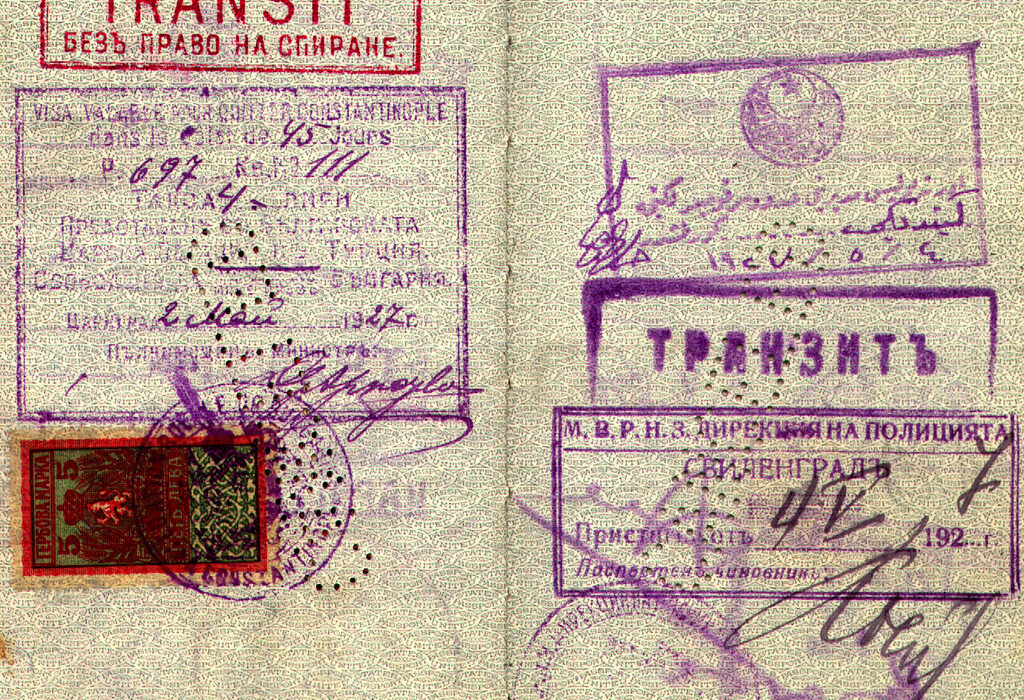
Vizem Süresi Dolursa Ne Olur? Vize, Statü ve Yasadışı Bulunma
An expired visa and expired status are not the same thing, and the difference matters. What happens if my visa expires depends on your I-94, not the visa stamp. Your visa is only an entry document; your I-94 “Admit Until” date controls how long you may stay. If your authorized stay ends and you remain, you begin accruing unlawful presence, which can trigger three-year or ten-year bars on returning. Acting before that happens is critical.
This guide explains the difference between a visa and status, what unlawful presence means, and your options if time is running out. It links to related guides and pairs with our overview of changing your status.
Worried your authorized stay is about to end? Atlas Legal can review your I-94, your options to extend or change status, and the risks of overstaying. Ekibimizle iletişime geçin before your status expires.
Önemli Çıkarımlar
- Your visa is an entry document; your I-94 “Admit Until” date controls how long you can stay.
- An expired visa is not a problem while you remain in valid status inside the U.S.
- Staying past your I-94 date means accruing unlawful presence.
- More than 180 days of unlawful presence can trigger a three-year bar; more than one year, a ten-year bar.
- A timely-filed extension or change of status can keep you in authorized stay while it is pending.
Bu Kılavuzun Kapsadığı Konular
- Visa vs. status: the key difference
- Understanding your I-94
- What unlawful presence means
- The three- and ten-year bars
- Your options before time runs out
- The authorized-stay protection
- Sıkça sorulan sorular
Visa vs. Status: The Key Difference
A visa and your immigration status are two different things. A visa is a travel document placed in your passport that lets you request entry to the U.S. at a port of entry. Status is your authorized period of stay once you are admitted, governed by your I-94. It is entirely possible, and common, to have an expired visa while still being in valid status inside the country.
This means an expired visa stamp is not, by itself, a problem while you remain in the U.S. in valid status. The visa only matters when you travel and need to re-enter. What controls your lawful stay is your status and your I-94 date, not the visa’s expiration.

Understanding Your I-94
The I-94 is your arrival record, and its “Admit Until” date tells you how long you are authorized to stay. For many categories, this is a specific date; for some, it may be noted differently. The critical point is that your I-94 date, not your visa expiration, determines when your authorized stay ends. You can look up your I-94 through the official government system.
Checking your I-94 after each entry is a good habit, because the admission period can differ from what you expect. If your I-94 date is approaching, that is your signal to act, whether by extending your status, changing status, or preparing to depart. Missing this date is how many overstays begin.

What Unlawful Presence Means
Unlawful presence is time spent in the U.S. after your authorized stay ends. The day after your I-94 expires, unlawful presence generally begins to accrue, unless an exception applies. Being unlawfully present is different from simply having an expired visa, and it carries serious consequences that grow with time.
Not all situations trigger unlawful presence immediately. For example, if you filed a timely application to extend or change status before your I-94 expired, you may be in a period of authorized stay while it is pending. But once your authorized stay truly ends and no exception applies, the clock starts, and it is important to understand what that clock leads to.
The Three- and Ten-Year Bars
The consequences of unlawful presence escalate. Accruing more than 180 days of unlawful presence and then departing the U.S. can trigger a three-year bar on returning. Accruing more than one year and departing can trigger a ten-year bar. These bars can separate families and derail immigration plans, which is why avoiding unlawful presence is so important.
In some cases, a waiver may be available. The I-601A provisional waiver can waive the unlawful presence bar for eligible immediate relatives who can show extreme hardship to a qualifying relative. But waivers are limited and demanding, so preventing unlawful presence in the first place is far better than needing to cure it.

Your Options Before Time Runs Out
- Extend your status. If eligible, file to extend your current status before your I-94 expires.
- Change your status. Move to another category, such as from visitor to student, before your stay ends.
- Adjust status. If eligible for a green card from inside the U.S., pursue adjustment of status.
- Depart on time. Leave before your authorized stay ends to avoid unlawful presence.
- Seek advice on exceptions. Certain situations toll or except unlawful presence.
The best option depends on your eligibility and timing. Acting before your I-94 date, rather than after, preserves the most options and avoids the bars. Our guide to vi̇ze aşiminin sonuçlari goes deeper.
The Authorized-Stay Protection
One of the most important protections is filing on time. If you submit a timely, non-frivolous application to extend or change status before your I-94 expires, you are generally considered to be in a period of authorized stay while USCIS decides, even if your original I-94 date passes. During that period, you typically do not accrue unlawful presence.
This protection has limits. If the application is denied, unlawful presence generally begins after the denial. And it only applies if you filed before your status expired. This is why timely filing is so valuable: it can keep you lawfully present while your case is pending, rather than leaving you exposed the moment your I-94 date arrives.
Ne Zaman Bir Göçmenlik Avukatıyla Çalışmalısınız?
The line between an expired visa and unlawful presence is where many people get into trouble. Legal review helps when your I-94 date is approaching, when you are unsure whether to extend, change, or adjust status, or when you may have already overstayed. An attorney can check your I-94, identify your options, and file the right application in time to preserve your status. Outcomes depend on the facts of each case.
Sıkça Sorulan Sorular
What happens if my visa expires but I am still in the U.S.?
An expired visa is generally not a problem while you remain in the U.S. in valid status, because the visa is only an entry document. What controls your lawful stay is your I-94 “Admit Until” date, not the visa. You can stay until your I-94 date and, if eligible, extend or change status. The visa matters again only when you travel and need to re-enter.
What is the difference between a visa and status?
A visa is a travel document in your passport that lets you request entry to the U.S. Status is your authorized period of stay once admitted, governed by your I-94. You can have an expired visa while still being in valid status inside the country. The visa is for entry; status and the I-94 control how long you may stay.
When does unlawful presence begin?
Unlawful presence generally begins the day after your I-94 “Admit Until” date passes, unless an exception applies. It is different from having an expired visa. If you filed a timely application to extend or change status before your I-94 expired, you may be in authorized stay while it is pending. Once your authorized stay ends with no exception, unlawful presence accrues.
What are the three-year and ten-year bars?
They are reentry bars triggered by unlawful presence. Accruing more than 180 days of unlawful presence and then leaving the U.S. can trigger a three-year bar on returning. More than one year of unlawful presence can trigger a ten-year bar. These bars can seriously disrupt immigration plans, which is why avoiding unlawful presence is so important.
Can I fix an overstay?
It depends on the situation. In some cases, a waiver such as the I-601A provisional waiver can waive the unlawful presence bar for eligible immediate relatives who show extreme hardship to a qualifying relative. Other situations may have different options or none. Because waivers are limited and demanding, preventing unlawful presence by acting before your status ends is far preferable.
How do I check my I-94 date?
You can look up your I-94 through the official government system online using your travel information. Checking your I-94 after each entry is a good habit, because the admission period can differ from what you expect. Your I-94 “Admit Until” date, not your visa expiration, tells you when your authorized stay ends, so knowing it is essential to staying in status.
Does filing to extend my status protect me?
Yes, if you file on time. A timely, non-frivolous application to extend or change status, submitted before your I-94 expires, generally places you in authorized stay while USCIS decides, even if your original date passes. During that period you typically do not accrue unlawful presence. However, if the application is denied, unlawful presence usually begins after the denial.
Can I travel with an expired visa?
Generally no, not to re-enter the U.S. While an expired visa does not affect your lawful stay inside the country, you need a valid visa to re-enter after traveling abroad, unless an exception applies. If your visa has expired and you leave, you would typically need to obtain a new visa at a consulate before returning. Plan travel with this in mind.
Alt satır
An expired visa often causes needless worry, while the real risk, unlawful presence, gets overlooked. Remember that your I-94 date, not the visa stamp, controls your lawful stay. Watch that date, and act before it passes: extend, change, or adjust status if eligible, or depart on time. Filing a timely application can keep you in authorized stay while your case is pending. The bars are severe, so prevention beats cure. Each situation depends on its own facts.
If your authorized stay is ending, Atlas Legal Immigration Law can help you protect your status. Reach us at 1750 E Golf Rd Ste 214, Schaumburg, IL 60173, arayın (+1) 872 382 2762, ya da e-posta yoluyla info@theatlaslegal.com. Daha fazla bilgi için sitemizi ziyaret edin. hizmetler sayfası.
Atlas Legal Immigration Law editör ekibi tarafından incelenmiştir. Son inceleme tarihi: 21 Temmuz 2026.
Kaynaklar
- U.S. Customs and Border Protection, Official I-94 Website
- ABD Vatandaşlık ve Göçmenlik Hizmetleri, Unlawful Presence and Inadmissibility
- Legal Information Institute, 8 U.S.C. 1182(a)(9)(B), Unlawful Presence Bars
Bu makale yalnızca genel bilgilendirme amacıyla sunulmuştur ve hukuki tavsiye niteliği taşımamaktadır. Göçmenlik kanunları, resmi harçlar, politikalar ve işlem süreleri değişiklik gösterebilir. Bu makaleyi okumak veya Atlas Legal ile iletişime geçmek, tek başına bir avukat-müvekkil ilişkisi oluşturmaz. Herhangi bir göçmenlik meselesinin sonucu, o meseleye özgü olgular ve koşullara bağlıdır.



5 Yorumlar
Yorumlar kapalıdır.