


الانتقال من تأشيرة L-1A إلى البطاقة الخضراء EB-1C: المتطلبات، والجدول الزمني، والأدلة المطلوبة للمديرين العاملين في الشركات متعددة الجنسيات
For a manager or executive already in the United States on an L-1A, the EB-1C green card is often the most natural route to permanent residence. The L-1A to EB-1C Green Card transition works because the two categories share the same core idea: a multinational company moving genuine leadership to the U.S. The L-1A to EB-1C Green Card transition does not require PERM labor certification, and EB-1 priority dates are frequently current, which can make it one of the faster employment-based green cards for qualifying managers.
This guide explains the EB-1C requirements, how they differ from the L-1A, the evidence USCIS expects, and the timeline. It builds on our guide to the L-1A new office visa and connects to our EB-1C green card service page.
This guide includes everything you need to know about transitioning from L-1A to EB-1C Green Card.
فهم L-1A to EB-1C Green Card process can greatly assist multinational managers in making informed decisions about their immigration path.
On an L-1A and wondering whether your role qualifies for EB-1C? Atlas Legal can assess your managerial or executive duties, your company structure, and your evidence to help you plan the green card step. تواصل مع فريقنا to review your case.
الوجبات الرئيسية
- EB-1C is the immigrant category for multinational managers and executives, and it pairs naturally with the L-1A.
- You must have worked abroad in a managerial or executive role for at least one year in the three years before filing (the year need not be continuous for EB-1C).
- The U.S. employer must have a qualifying relationship with the foreign company and have been doing business for at least one year.
- EB-1C requires no PERM labor certification. The employer files Form I-140, and premium processing is available.
- The most common obstacle is proving genuine managerial or executive capacity, not job titles.
ما يتضمنه هذا الدليل
Transitioning from L-1A to EB-1C Green Card
- Why L-1A to EB-1C is a natural path
- EB-1C requirements
- L-1A vs. EB-1C: key differences
- Evidence for managerial or executive capacity
- Timeline and process
- Common RFE issues
- الأسئلة الشائعة
Why L-1A to EB-1C Is a Natural Path
The L-1A and EB-1C are built on the same foundation, so a manager or executive who already qualified for the L-1A is often well positioned for EB-1C. Both require a qualifying multinational relationship, both look at managerial or executive duties abroad and in the U.S., and both reward clear corporate structure. The main change is that EB-1C leads to a green card rather than temporary status. The L-1A to EB-1C Green Card path emphasizes the importance of proper documentation in achieving success.
The practical advantage is efficiency. EB-1C skips PERM, the lengthy labor certification process that EB-2 and EB-3 usually require. As a first-preference category, EB-1 priority dates are often current for most countries, which can shorten the wait. That combination makes EB-1C a leading option for L-1A executives whose companies have established a real U.S. operation.
Choosing the L-1A to EB-1C Green Card route can enhance your immigration strategy by providing a clearer path to permanent residency.
متطلبات EB-1C
EB-1C has a defined set of requirements under 8 CFR 204.5(j). You must have been employed outside the U.S. for at least one year, within the three years preceding the petition, in a managerial or executive capacity by a firm that has a qualifying relationship with the U.S. employer. You must be coming to work in a managerial or executive role for the U.S. company.
By transitioning from the L-1A to EB-1C Green Card, you can simplify your immigration journey while benefiting from expedited processing.
On the employer side, the U.S. petitioner must have a qualifying relationship with the foreign employer, maintain it through adjudication, and have been doing business in the U.S. for at least one year. “Doing business” means the regular, systematic, and continuous provision of goods or services, and it can include activity between related companies. No labor certification is required; the employer files Form I-140 with a genuine job offer.
L-1A vs. EB-1C: Key Differences
The transition from L-1A to EB-1C Green Card involves understanding your eligibility and preparing the necessary evidence for a successful application.
The categories overlap, but the differences matter when you plan the transition. The most important is the continuity of the qualifying year abroad and the requirement that the U.S. company already be established.
L-1A to EB-1C Green Card
| العامل | L-1A (nonimmigrant) | EB-1C (green card) |
|---|---|---|
| Year of qualifying work abroad | One continuous year in past three | One year in past three, need not be continuous |
| U.S. company maturity | New office allowed | Must have done business for at least one year |
| Labor certification (PERM) | Not applicable | Not required |
| Main form | استمارة I-129 | Form I-140 |
| Result | Temporary status, up to seven years | Permanent residence |
Because EB-1C requires the U.S. entity to have operated for at least a year, a company that started on a new office L-1A usually needs that operating history before the EB-1C is realistic.
Evidence for Managerial or Executive Capacity
The heart of an EB-1C case is proving genuine managerial or executive capacity, both abroad and in the U.S. USCIS looks at what you actually do, not your title. A qualifying manager primarily directs the organization or a department, supervises professional staff or manages an essential function, and exercises meaningful discretion. An executive directs management, sets policy, and operates with broad authority.
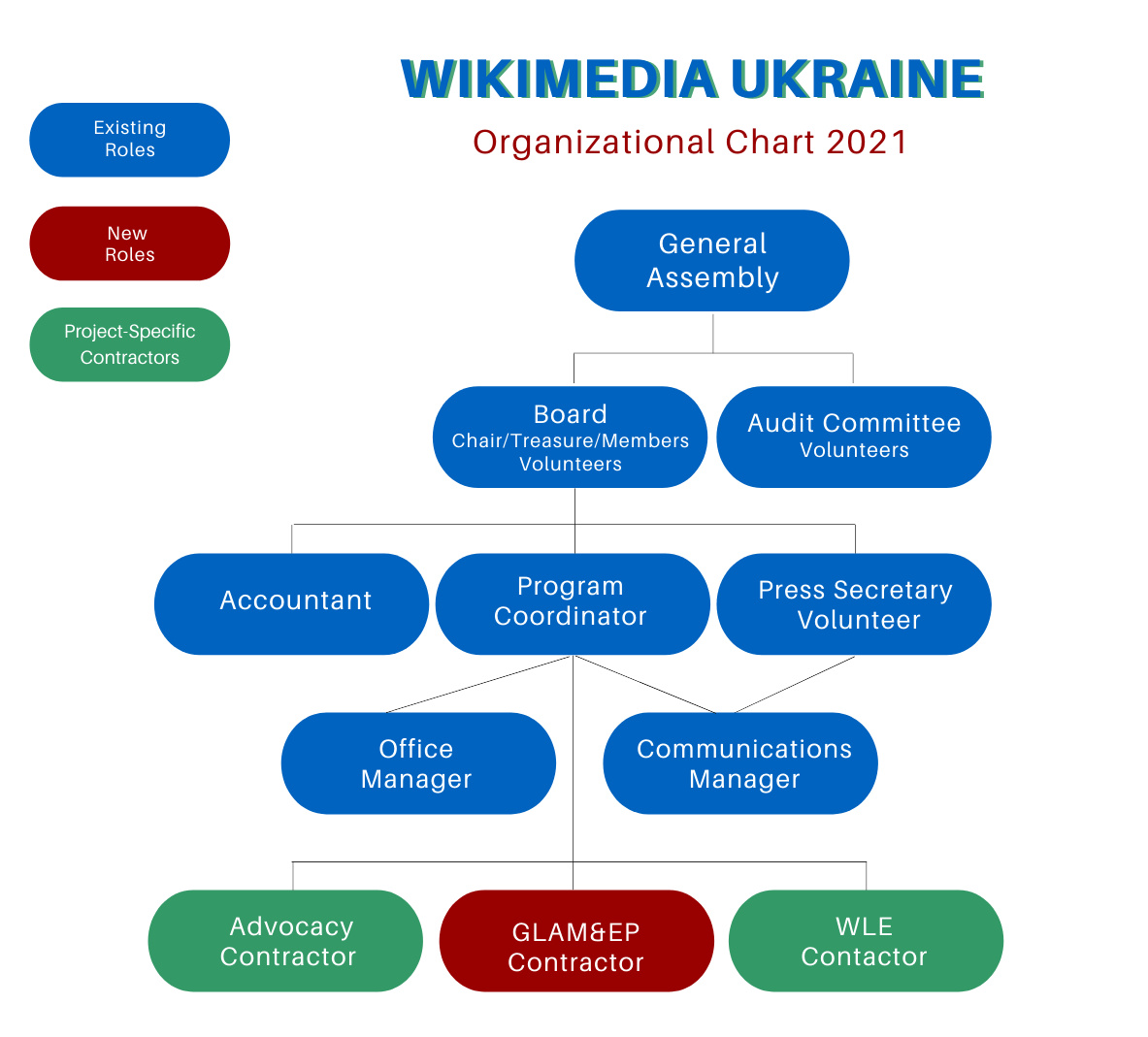
Build the record with organizational charts showing who reports to you, descriptions of your duties and decision-making authority, evidence of the professionals or functions you manage, and the company’s size and structure. In smaller companies, the challenge is showing that you manage a function or team rather than performing the core work yourself. Detailed, specific evidence is what carries this element.

Timeline and Process
The employer files Form I-140 for the EB-1C. Premium processing is available for the I-140, which can produce a faster decision on the petition. Once the I-140 is approved and a visa number is available, you either file Form I-485 to adjust status inside the U.S. or complete immigrant visa processing at a consulate abroad, such as the U.S. Mission in Turkey.
Overall timing depends on I-140 processing, whether you use premium processing, and the Visa Bulletin. EB-1 is often current, but priority dates can change, so check the current Visa Bulletin for your country. Processing times vary by service center and case, and past timelines do not predict future ones.

Common RFE Issues
- Managerial capacity doubts. USCIS questions whether you truly manage people or a function versus doing operational work.
- Doing business. Insufficient proof the U.S. company operated regularly for at least a year.
- Qualifying relationship. Ownership and control between the entities not clearly documented.
- Organizational size. A very small U.S. staff that appears unable to support a manager or executive.
- Inconsistent duties. The U.S. role described differently across documents.
A Note for Turkish Executives
Turkish executives considering the L-1A to EB-1C Green Card transition should pay attention to documentation consistency.
For executives transferred from a Turkish parent company, keep the corporate paper trail consistent across both countries. Ownership documents, financial statements, and organizational charts for the Turkish and U.S. entities should tell one coherent story about the qualifying relationship and your role. If you adjust status in the U.S., timing around any nonimmigrant renewals matters. Our guide to the paths from a nonimmigrant visa to a green card covers related planning issues.
متى يجب الاستعانة بمحامي الهجرة
EB-1C cases live or die on how well managerial or executive capacity and the qualifying relationship are documented. Legal review is valuable when your U.S. team is small, when your duties could be read as operational, or when the corporate structure needs tightening before filing. An attorney can help frame your role against the legal standard, assemble the organizational evidence, and sequence the I-140 and adjustment or consular step. Eligibility and outcomes depend on the facts of each case.
الأسئلة الشائعة
Can I go from L-1A to EB-1C?
Yes, and it is a common path. The L-1A and EB-1C share requirements around multinational managers and executives, so an L-1A holder is often well positioned for EB-1C. The main differences are that EB-1C requires the U.S. company to have done business for at least a year and that the qualifying year abroad need not be continuous. EB-1C leads to a green card.
Does EB-1C require PERM labor certification?
No. EB-1C does not require PERM, which is the labor certification process used for most EB-2 and EB-3 cases. The employer files Form I-140 with a genuine job offer for a managerial or executive role. Skipping PERM is one reason EB-1C is often faster than other employment-based green cards for qualifying multinational managers and executives.
How long must I have worked abroad for EB-1C?
You must have worked for a qualifying foreign company in a managerial or executive capacity for at least one year within the three years before the petition. For EB-1C, that year does not have to be continuous, which is a key difference from the L-1A nonimmigrant visa, where the one year abroad must be continuous within the prior three years.
How long does the EB-1C process take?
Timing depends on I-140 processing, whether premium processing is used, and the Visa Bulletin. Premium processing can speed the I-140 decision. After approval and visa availability, you file Form I-485 or process an immigrant visa abroad. EB-1 is often current, but priority dates can change, so check the current Visa Bulletin. Processing times vary and are not guaranteed.
What is the hardest part of an EB-1C case?
Understanding the steps from L-1A to EB-1C Green Card can help streamline the transition process for executives.
Proving genuine managerial or executive capacity is usually the toughest element, especially in smaller companies. USCIS examines whether you actually manage people or an essential function versus performing the core work yourself. Detailed organizational charts, duty descriptions, and evidence of your decision-making authority are essential. Job titles alone do not satisfy the standard.
Does my U.S. company need to be a certain size for EB-1C?
There is no fixed minimum size, but the company must have done business for at least a year and must be able to support a managerial or executive position. Very small operations face more scrutiny because USCIS may question whether a true manager or executive role exists. A realistic staff and organizational structure strengthen the case.
Can my family get green cards through my EB-1C?
Yes. When you obtain permanent residence through the L-1A to EB-1C Green Card process, your spouse and unmarried children under 21 can generally seek green cards as derivatives, either through adjustment of status in the U.S. or immigrant visa processing abroad. Their eligibility follows your principal petition, subject to the usual documentation and admissibility requirements.
خلاصة القول
For the right executive, the L-1A to EB-1C path is one of the cleaner routes to a green card: no PERM, familiar requirements, and often-current priority dates. The work is in the proof. EB-1C rewards a real multinational structure and a role that is genuinely managerial or executive, documented in detail. Build that record while you are on the L-1A, and the green card step becomes a continuation rather than a leap. As always, each case depends on its facts, and no result is guaranteed.
Ultimately, the L-1A to EB-1C Green Card pathway offers a streamlined approach to achieving permanent residency for qualified executives.
If you are on an L-1A and want to evaluate EB-1C, Atlas Legal Immigration Law can assess your role, your company structure, and your evidence, and help you plan the filing. Reach us at 1750 E Golf Rd Ste 214, Schaumburg, IL 60173, ، يتصل (+1) 872 382 2762, أو عبر البريد الإلكتروني info@theatlaslegal.com. Explore our employment green card services.
تمت مراجعته من قبل فريق التحرير المختص بقانون الهجرة في أطلس ليغال. آخر مراجعة بتاريخ 21 يوليو 2026.
مصادر
- المدونة الإلكترونية للوائح الفيدرالية،, 8 CFR 204.5(j), Multinational Executives and Managers
- دائرة خدمات المواطنة والهجرة الأمريكية،, Policy Manual, Multinational Executive or Manager
- دائرة خدمات المواطنة والهجرة الأمريكية،, EB-1 Employment-Based First Preference
هذه المقالة مُقدمة لأغراض إعلامية عامة فقط، ولا تُعدّ استشارة قانونية. قد تتغير قوانين الهجرة والرسوم الحكومية والسياسات وأوقات معالجة الطلبات. قراءة هذه المقالة أو التواصل مع مكتب أطلس للمحاماة لا يُنشئ في حد ذاته علاقة محامٍ-عميل. وتعتمد نتيجة أي قضية هجرة على وقائعها وظروفها الخاصة.



1 تعليق
التعليقات مغلقة.